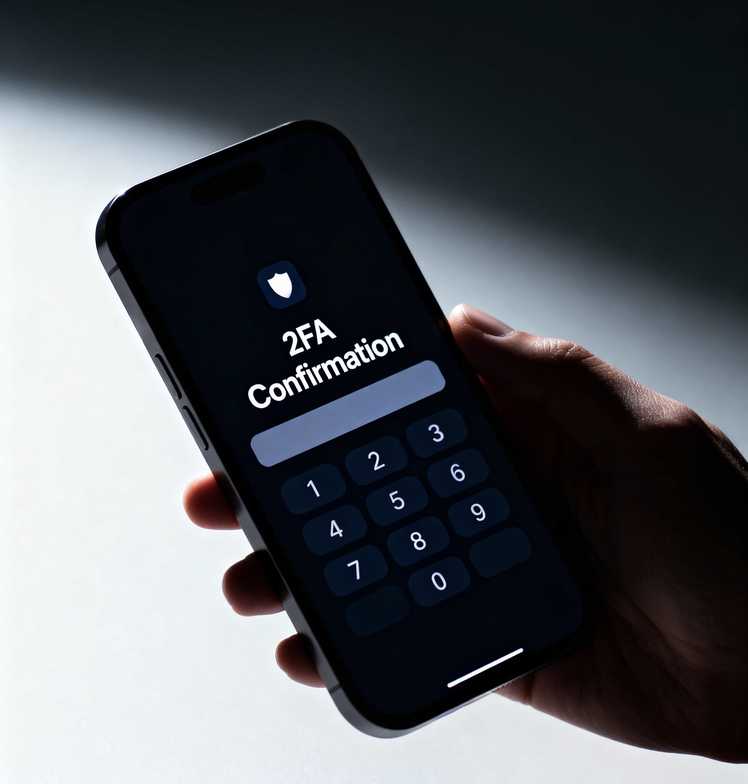
We've all been encouraged to use two-factor authentication (2FA) and facial recognition to protect our online accounts—and we should. They do an excellent job of keeping hackers out.
But they can also create an unexpected problem when someone dies.
Imagine you're the executor of a loved one's estate. You know their username and password, but the account sends a verification code to their phone, which you don’t have access to, or has already been cancelled. Or their phone can only be unlocked with their face or fingerprint.
Suddenly, simple tasks like accessing bank accounts, email, insurance information, or important documents become anything but simple.
More Than Just Banking
Today, many accounts and devices are protected by extra security measures, including:
• Online banking and investments
• Email accounts
• Password managers
• Government websites
• Smartphones and tablets
• Cloud storage and social media
These accounts often contain information your executor needs to settle your estate.
Plan for Your Digital Legacy
The answer isn't to stop using these security features. Instead, make sure your executor knows how to access your digital life if something happens to you. Consider leaving instructions about:
• Where your passwords are securely stored (and keep them regularly updated!)
• Which phone number or email receives verification codes
• Whether you use an authentication app
• Where backup recovery codes are kept
• Your cell phone, computer or tablet passcodes, since facial recognition and fingerprints won't always be an option
Never include passwords or passcodes in your will. Instead, keep them in a secure location and let your executor know where to find them.
One Final Thought
Estate planning isn't just about wills and legal documents anymore. It's also about making sure the people you leave behind can actually access the information they need.
A little planning today can save your family countless hours of frustration tomorrow—and spare them from seeing one more message that says:
"Enter the six-digit verification code we just sent."