Few people have thought about the idea of writing their own obituary, especially if they are fit and healthy. It not only feels uncomfortable and a little morbid; it feels unnecessary. But here’s the truth: writing your own obituary can be one of the most meaningful, practical, and empowering things you do – both for yourself and your loved ones.
It’s Not Solemn or Morose — It’s Reflective
Think of it less as “writing about my death” and more as “reflecting on my life.” When you sit down to write your obituary, you start to sift through what has mattered to you: the relationships, the experiences, the values, the little joys – many from your past that your spouse or children may not even know about. It’s a chance to pause and see your life from a wider lens — something we don’t often give ourselves time to do.
You Get to Tell Your Story — In Your Own Words
When families are grieving, writing an obituary can feel overwhelming. They want to honour you, but they’re grieving and often unsure what you would have wanted. By writing your own obituary, you lift that burden. You give your loved ones clarity, and you ensure your story reflects you — your voice, your humour, your history, and what you held dear.
It Helps You Live More Intentionally
A surprising thing happens when people write their own obituaries: they start thinking about how they want to live. What do you hope people remember about you? What kind of impact do you want to make? Instead of being a gloomy exercise, it often inspires people to make changes, reconnect with loved ones, or appreciate what they already have.
It Makes Practical Planning Easier
Just like writing a will or documenting funeral wishes, an obituary is part of the broader picture of thoughtful end-of-life planning. For your family, it becomes one less stressful task during one of the hardest weeks of their lives. And for you, it’s simply another way to create order, clarity, and kindness.
Who should consider doing this now?
There are some situations where pre-writing your obituary are both helpful and prudent:
· The chances of sudden death increase as we age, so if you are over 60, you might consider preparing ahead for your loved ones by pre-writing your obituary, even if you are totally healthy today.
· If you don’t have a close family member that would write your obituary, you should take the opportunity to tell others about your life – the people who were important to you, your career or life highlights, your passions and best memories.
· If you are part of a blended family, it is particularly helpful to draft your obituary ahead of time with your spouse, to reflect on how to word it and who to include, so as honor the members of both of your families.
You Don’t Have to Finish It in One Go
If the idea still feels a bit heavy, start small. Jot down a few sentences about what matters to you, what you’re proud of, or what makes you smile. Think of it as leaving a love note for the people who will one day read it. You can revisit it anytime — it’s not set in stone.
Bottom line?
Writing your own obituary isn’t strange. It’s thoughtful. It’s compassionate. And it’s a beautiful way to honour your life — both now and later.
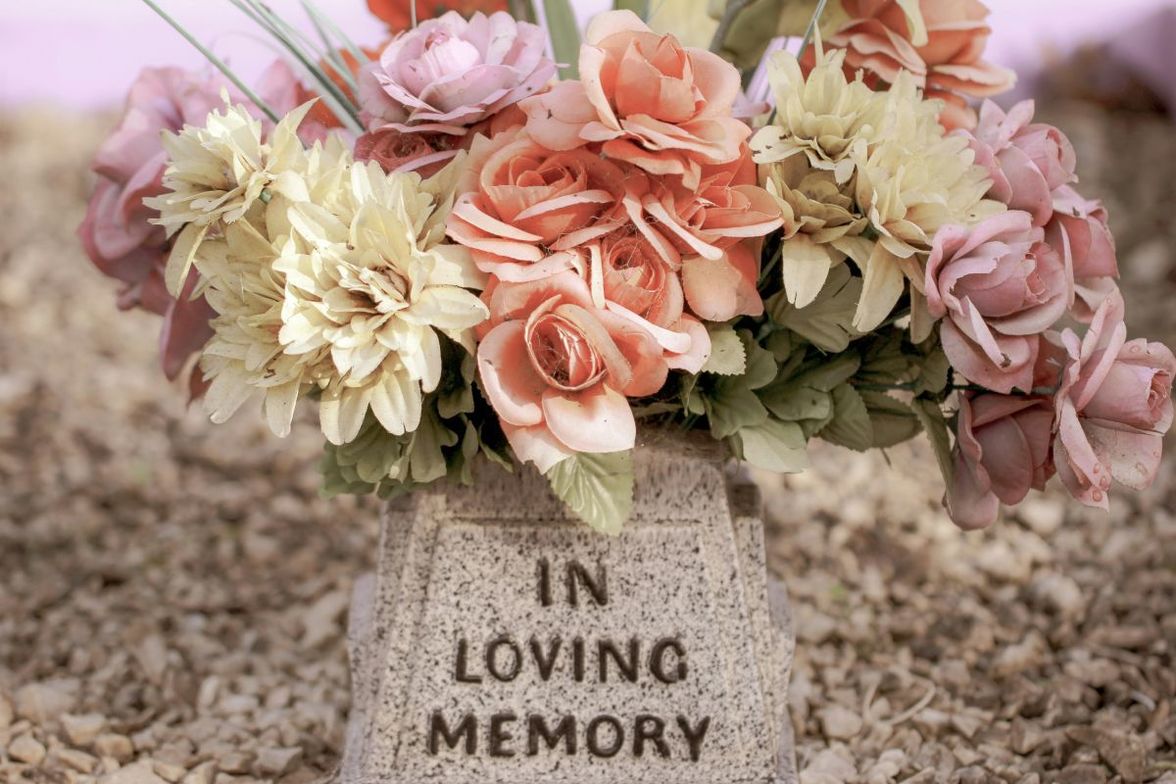
Photo by Sandy_Millar on Unsplash